

Polyethylene glycol (PEG) - polymer of ethylene glycol
Is also known as polyethylene oxide (PEO) or polyoxyethylene (POE), depending on its molecular weight. The structure of polyethylene glycols is commonly expressed as H−(O−CH2−CH2)n−OH.
Low-molecular-weight PEGs (200-600) are liquids that are used as solvents, plasticizers, or mild humectants.
High-molecular-weight PEGs (1500-4000) are compounds that are solid substances (waxes or powders) and are used as thickeners, ointment bases, or viscosity modifiers.
Polyethylene glycol holds a special place in modern chemistry due to its versatility and safety. The applications of PEGs are not limited to industrial tasks; polyethylene glycol is actively used in the creation of pharmaceuticals and cosmetics. In addition, PEG in pharmaceuticals serves as the basis for suppositories, ointments and solutions, ensuring the stability of active ingredients and prolonged action of drugs. In cosmetology, PEG is used as an effective moisturizer and a conductor of biologically active substances into the skin.
In household chemicals, PEG is a part of detergents and cleaning products, where it acts as an emulsifier and stabilizer. In the food industry, PEG is registered as an additive E1521 (for certain brands), where it is used to treat the surface of products.
Due to its high solubility in water and organic solvents and low toxicity, PEG is used in the textile industry for fiber processing and in metalworking as a component of cutting fluids.
If you have any questions about deliveries, prices, or payments, or if you want to place an order and buy our products, you can send a request to our manager by email sales@elarum.com or make a phone call. Our company guarantees the confidentiality and secure processing of clients personal data.
Comparison of characteristics polyethylene glycols
| Property | Value | |||
|---|---|---|---|---|
| 200 | 300 | 400 | 600 | |
| Appearance | Colorless or faintly yellowish, transparent, viscous liquid with weak specific odor. | |||
| Color of 25 % aqueous solution, Hazen, max. | 25 | |||
| рН of 5 % aqueous solution, within | 5.0–7.5 | |||
| Kinematic viscosity at (40.0±0.3) °C, mm2/s, within | 21–25 | 30–35 | – | 59–66 |
| Hydroxyl number, mg КОН/g, within | 510–625 | 340–415 | 260–290 | 172–205 |
| Sulfate ash, % wt., max. | 0.2 | 0.2 | 0.1 | 0.1 |
| Water, % wt., max. | 0.5 | |||
Catalog polyethylene glycols
PEG-200
Is a product of ethylene oxide polymerization with ethylene glycol. The product is used to manufacture plasticizers, in chemical, textile, rubber, metal-working industries and others in line with the opinion of the Ministry of Health.
PEG-300
Is a product of ethylene oxide polymerization with ethylene glycol. The product is used to manufacture plasticizers, in chemical, textile, rubber, metal-working industries and others in line with the opinion of the Ministry of Health.
PEG-400
Is a product of ethylene oxide polymerization with ethylene glycol. The product is used to manufacture plasticizers, in chemical, textile, rubber, metal-working industries and others in line with the opinion of the Ministry of Health.
PEG-600
Is a product of ethylene oxide polymerization with ethylene glycol. The product is used to manufacture plasticizers, in chemical, textile, rubber, metal-working industries and others in line with the opinion of the Ministry of Health.
Related products
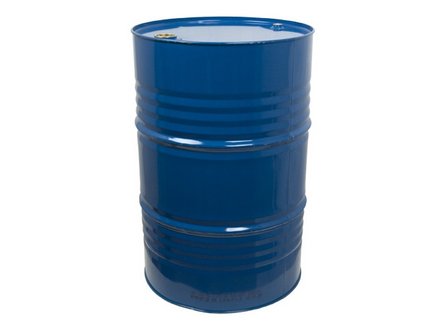
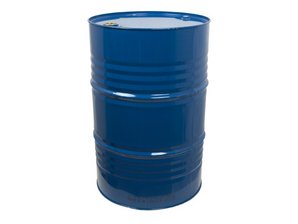
Metal barrel
Used to transport liquid products and substances that are not actively working on the steel. To prevent the active interaction of matter with the material drum, a system of internal coatings (based paints) to guarantee the permanence characteristics…
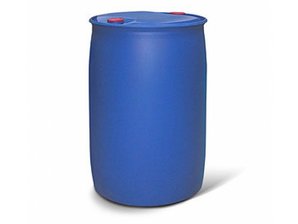
Plastic barrel
Used for transporting a wide range of both food and corrosive substances, most of which are prohibited for packaging in metal containers without special coatings: acid, alkaline, chlorinated products and other dangerous goods, temperature not…
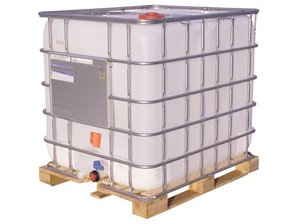
Intermediate bulk container
Compared with steel and plastic drums, has a number of advantages in terms of ease of use, cost effectiveness and safety for the environment and humans. It is intended for repeated use, it is optimal for transportation and storage of liquid products…